-
Collection Management System vs. Museum Website: What Museums Need to Know
A collection management system and a museum website serve different purposes, even when they share the same collection information. A collection management system helps museums document, manage, preserve, and organize information about objects and other collection holdings. A public-facing museum website helps people discover that knowledge, understand its significance, and engage with the institution online.…
-
Small Museums Don’t Need to Figure Out Digital Transformation Alone
Digital transformation for museums can feel overwhelming, particularly for small and mid-sized institutions with limited staff and competing priorities. Collections may need to become more accessible online, websites may require improvement, and new technologies continue to create opportunities and questions. At the same time, the people responsible for these initiatives are often managing collections, exhibitions,…
-
Museum SEO: Helping More People Discover Your Collections
Museum SEO is often misunderstood. Some assume it means adding more keywords to webpages or trying to rank higher on Google. Others believe search optimization only matters for commercial businesses, not museums. In reality, museum SEO is about helping people discover trustworthy knowledge. Every online collection, exhibition, educational resource, and research publication contains information that…
-
Museum Discoverability: Why Connected Knowledge Matters
Museum discoverability has become increasingly important as museums expand their digital collections and online experiences. Through digitized collections, online exhibits, educational resources, research publications, and searchable collection databases, institutions can reach audiences far beyond their physical walls. Visitors can now discover museum collections through websites, search engines, and increasingly, AI-powered search experiences. As museums continue…
-
Museum Metadata: How Collections Get Discovered
For decades, museum metadata has been created to support one primary goal: documenting collections accurately. It records provenance, identifies creators, tracks conservation history, and provides the structure museums need to manage objects responsibly over time. Without metadata, collection management would quickly become inconsistent, making it difficult to preserve information across generations. Today, metadata serves a…
-
Why Museum Collections Are Invisible Online (And How to Fix It)
Putting museum collections online has become a priority for institutions of every size. Over the last decade, museums have invested significant time in digitizing collections, photographing objects, improving collection management systems, and making records available through their websites. These efforts have expanded access in important ways, allowing researchers, educators, and the public to engage with…
-
Digital Exhibits for Small Museums: How to Create Online Experiences People Actually Explore
For many small museums, digital exhibits still feel like an “extra.” Something to build after the physical exhibition is complete. Something experimental, temporary, or secondary to the in-person experience. But visitor behavior has changed. For a growing number of people, a museum website is no longer just a place to check hours or directions. It…
-
How to Digitize Museum Collections Without Overcomplicating the Process
For many museums, digitization feels less like a project and more like an impossible backlog. There are collections stored across rooms, spreadsheets with inconsistent records, folders of unlabeled images, and years of institutional knowledge spread across different staff members. At the same time, expectations around digital access continue to grow. Visitors expect searchable collections. Researchers…
-
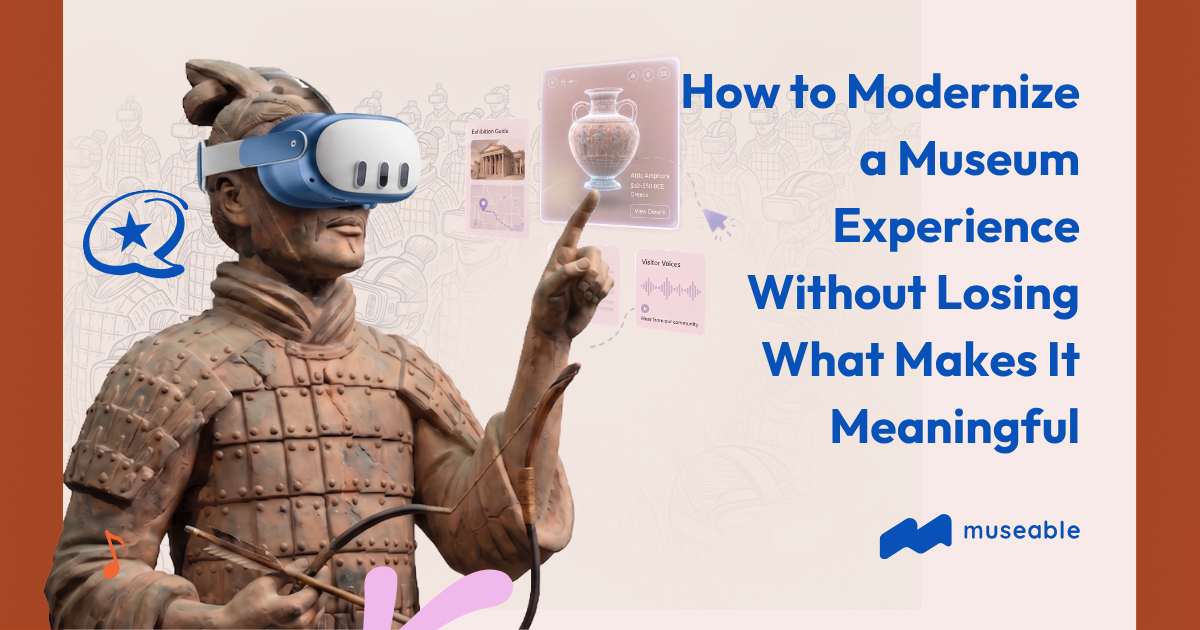
How to Modernize a Museum Experience Without Losing What Makes It Meaningful
Why museums are rethinking the visitor experience Modern museum visitors expect more than static displays and information panels. They want experiences that feel engaging, intuitive, and accessible both online and in person. That shift does not mean museums need to abandon what makes them meaningful. It means adapting the way collections, stories, and spaces are…
-
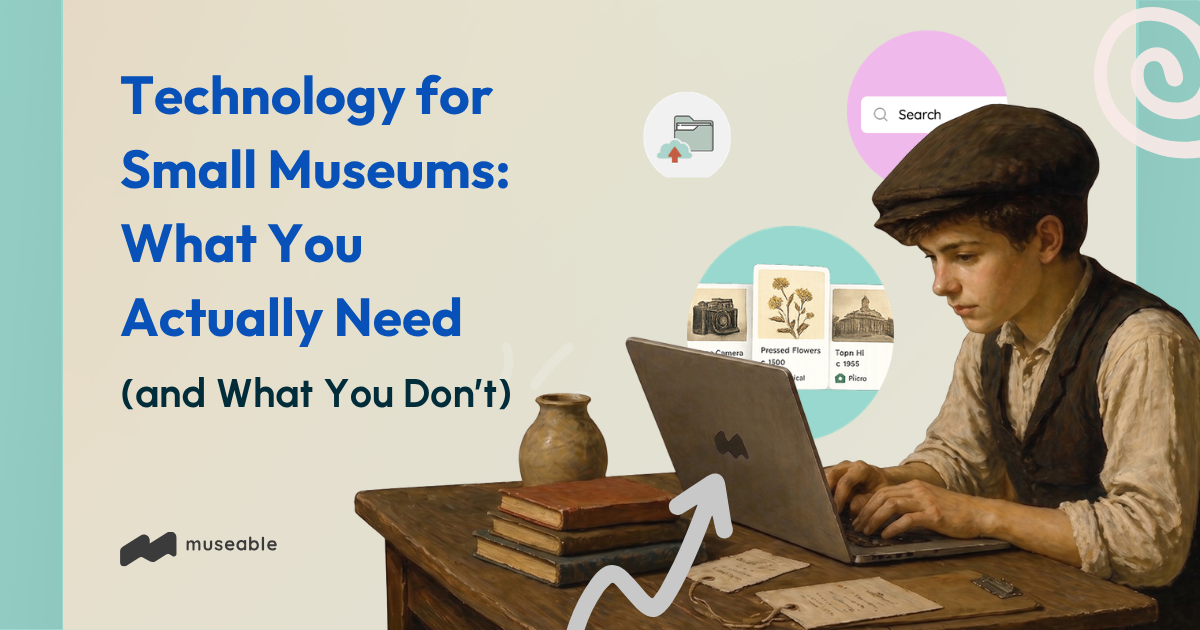
Technology for Small Museums: What You Actually Need (and What You Don’t)
Why technology feels overwhelming for small museums For many small museums, “going digital” sounds expensive, complex, and time-consuming. There’s pressure to adopt new tools, create online exhibits, digitize collections, and improve visitor experience, often with limited staff and budget. As a result, many institutions either delay taking action or invest in tools they don’t fully…