

Why museums are rethinking the visitor experience
Modern museum visitors expect more than static displays and information panels. They want experiences that feel engaging, intuitive, and accessible both online and in person.
That shift does not mean museums need to abandon what makes them meaningful. It means adapting the way collections, stories, and spaces are presented so they better match how people explore and learn today.
For many institutions, the challenge is not whether to modernize, but how to do it in a way that still feels intentional, accessible, and aligned with the museum’s mission.
What does it mean to modernize a museum experience?
Modernizing a museum experience means improving how visitors interact with collections, exhibits, and information across physical and digital spaces. This can include clearer storytelling, more accessible design, interactive elements, improved navigation, and stronger visitor engagement.
The goal is not simply to add more technology. It is to create experiences that feel easier to explore, more relevant to modern audiences, and more connected to the way people learn and engage today.
Modernization starts with understanding the visitor
One of the biggest mistakes museums make is focusing on technology before understanding the visitor experience itself.
Modern visitors expect experiences that feel intuitive and easy to navigate. When exhibit information is difficult to follow, digital content feels disconnected, or websites are hard to use, engagement drops quickly.
Successful museums focus on reducing that friction by making experiences:
- Easier to navigate
- More accessible to different audiences
- More engaging and interactive
- Clearer in how stories and collections are presented
Modernization is often less about adding more features and more about making the experience feel intentional and easy to explore.
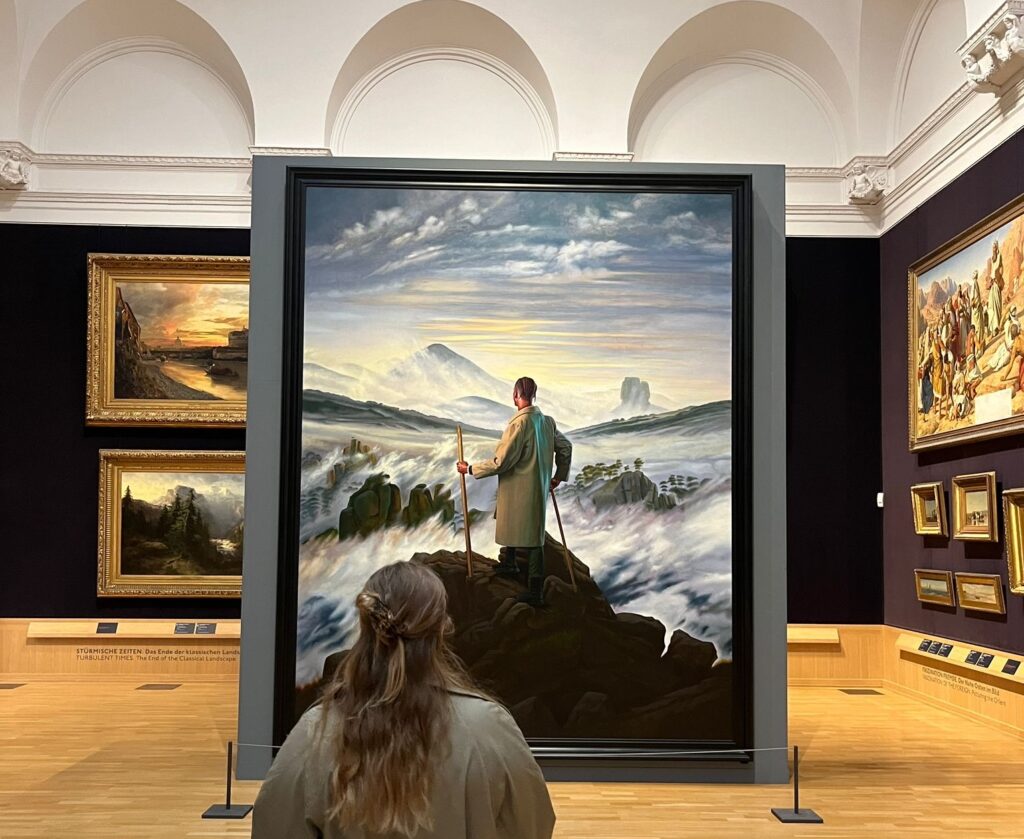
The most effective ways to modernize a museum experience
Modernization does not need to happen all at once. Small, intentional improvements often create the biggest long-term impact.
1. Improve digital accessibility
A modern museum experience should be accessible to as many visitors as possible.
This includes:
- Mobile-friendly museum websites
- Readable exhibit content
- Accessible navigation and design
- Digital collections that are easy to search and explore
A modern museum website should help visitors engage with collections and information without unnecessary barriers. Accessibility improves usability for everyone, not just specific audiences.
2. Create connected digital experiences
Visitors no longer experience museums only in person. They move between websites, online exhibits, digital collections, social platforms, and physical spaces as part of the same journey.
Creating connected digital experiences can include:
- Consistent navigation across platforms
- Shared storytelling between exhibits and collections
- Clear pathways between online and in-person experiences
- Integrated visitor engagement strategies
For example, many museums now connect physical exhibits to online collections through QR codes, allowing visitors to continue exploring after their visit.
When digital experiences feel connected, visitors spend less time figuring things out and more time engaging with the content itself.
3. Focus on storytelling, not just information
Modern visitors want context, not just objects.
Strong museum experiences guide visitors through stories, themes, and ideas rather than presenting disconnected pieces of information. This applies equally to physical exhibits and online museum experiences.
What helps:
- Clear exhibit narratives
- Concise and engaging descriptions
- Thematic organization of collections
- Guided exploration instead of information overload
Storytelling creates emotional connection, which increases visitor engagement and retention.
4. Use technology intentionally
Technology should support the visitor experience, not distract from it.
Interactive screens, digital exhibits, QR codes, and immersive features can improve engagement when they solve a real visitor need. However, adding technology without a clear purpose often creates unnecessary complexity.
Modern museum technology works best when it:
- Improves accessibility
- Encourages exploration
- Supports storytelling
- Makes navigation easier
- Extends engagement beyond the physical visit
The most effective experiences are usually the most intuitive.
5. Use visitor behavior to guide improvements
Modernization should be informed by how visitors actually interact with museum spaces and digital platforms.
Simple analytics and visitor feedback can reveal:
- Which exhibits attract the most attention
- Where visitors lose interest
- How users navigate museum websites
- What content drives engagement
These insights help museums make more intentional decisions instead of relying on assumptions.
Why digital strategy matters in museum modernization
Technology alone does not modernize a museum. Strategy does.
Without a clear digital strategy, museums often end up with disconnected tools, inconsistent visitor experiences, and digital projects that are difficult to maintain long term. A stronger approach is to think about how every digital touchpoint fits into the broader museum system.
A museum digital strategy can help institutions:
- Connect online and in-person experiences
- Create consistency across museum platforms
- Improve accessibility and visitor engagement
- Support staff workflows and internal systems
- Make future digital improvements easier to manage
When websites, collections, exhibits, analytics, and visitor engagement tools work together as part of the same system, modernization becomes more sustainable and more effective over time.
Common mistakes museums make when modernizing
Many museums assume modernization requires large budgets or advanced technology. In reality, the biggest issues often come from disconnected experiences and unclear priorities.
Common mistakes include:
- Adding technology without a strategy
- Overcomplicating the visitor experience
- Treating digital projects as separate from physical exhibits
- Ignoring accessibility and usability
- Prioritizing tools over storytelling
A modern museum experience should feel intuitive, connected, and easy to engage with.
Final thought
Modernizing a museum experience is not about replacing tradition with technology. It is about improving how people connect with collections, stories, and spaces in a changing digital world.
The most effective museum experiences balance accessibility, storytelling, visitor engagement, and thoughtful digital strategy. Whether online or in person, visitors should feel guided, supported, and encouraged to explore more deeply.
For many museums, modernization starts not with a major overhaul, but with small improvements that create a more connected and meaningful visitor experience over time.
How Museable can help
Museable helps museums create connected digital experiences that improve visitor engagement without unnecessary complexity. From museum websites and online exhibits to digital strategy and collection experiences, the goal is to help institutions modernize in a way that feels intentional, sustainable, and aligned with their mission.
Whether you’re improving a single digital touchpoint or rethinking the broader visitor journey, Museable helps museums build experiences that are easier to navigate, more accessible, and more engaging for modern audiences.
FAQ
What does it mean to modernize a museum experience?
Modernizing a museum experience means improving how visitors interact with collections, exhibits, and digital content. This can include better accessibility, connected digital experiences, stronger storytelling, and more intuitive visitor engagement across physical and online spaces.
How can museums modernize without losing their identity?
Museums can modernize by improving accessibility, navigation, and visitor engagement while keeping their core stories and mission intact. Effective modernization supports the museum experience rather than replacing it with unnecessary technology.
What technology helps modernize museums?
Technology that improves accessibility, storytelling, navigation, and visitor engagement is often the most effective. This can include mobile-friendly websites, digital collections, online exhibits, analytics, and interactive tools that support the visitor experience.
Modernizing a museum experience does not have to mean rebuilding everything from scratch. Small, intentional improvements to your website, digital collections, online exhibits, and visitor journey can create a more connected and engaging experience over time.
Museable helps museums build digital experiences that are easier to navigate, more accessible, and aligned with how modern visitors explore and engage with content. From digital strategy to online exhibits and museum websites, the goal is to create systems that support both visitors and staff without unnecessary complexity.