

Putting museum collections online is one of the most common goals in cultural heritage today. It is also one of the most misunderstood.
The assumption is usually the same: upload the collection to a website, add some images, and the work is done.
In practice, making collections discoverable, accessible, and useful to real audiences takes more than uploading files. It also takes less than most institutions fear.
The Gap Between “Online” and “Findable”
A collection can exist online without being accessible.
Images without context. Records without consistent metadata. Pages that load but do not tell visitors where to start or why something matters.
This is one of the most common gaps in museum digital work. Content exists, but it is not structured in a way that helps people find it or understand it.
Search engines and visitors share the same need: clear, organized information that explains what something is and why it is significant. When that structure is missing, even a large, well-documented collection can be effectively invisible online.
What Putting a Collection Online Actually Requires
Putting a collection online in a meaningful way involves three things working together.
Structure
Object records need consistent fields: title, date, medium, provenance, description. Consistency makes records searchable, both for visitors using your site and for search engines indexing your content.
Context
A record tells you what an object is. Context tells you why it matters. That might be a curatorial note, a connection to an exhibition theme, or a short explanation of historical significance. Without context, even a beautifully photographed object is difficult for a general audience to engage with.
Accessibility
Collections that are online but not accessible still exclude people. That includes visitors using screen readers, people with low bandwidth, and anyone navigating on a mobile device. Accessibility is not a feature to add later. It shapes whether your collection genuinely reaches the audiences you intend to serve.
What Most Museums Already Have
The good news: most institutions do not need to start from scratch.
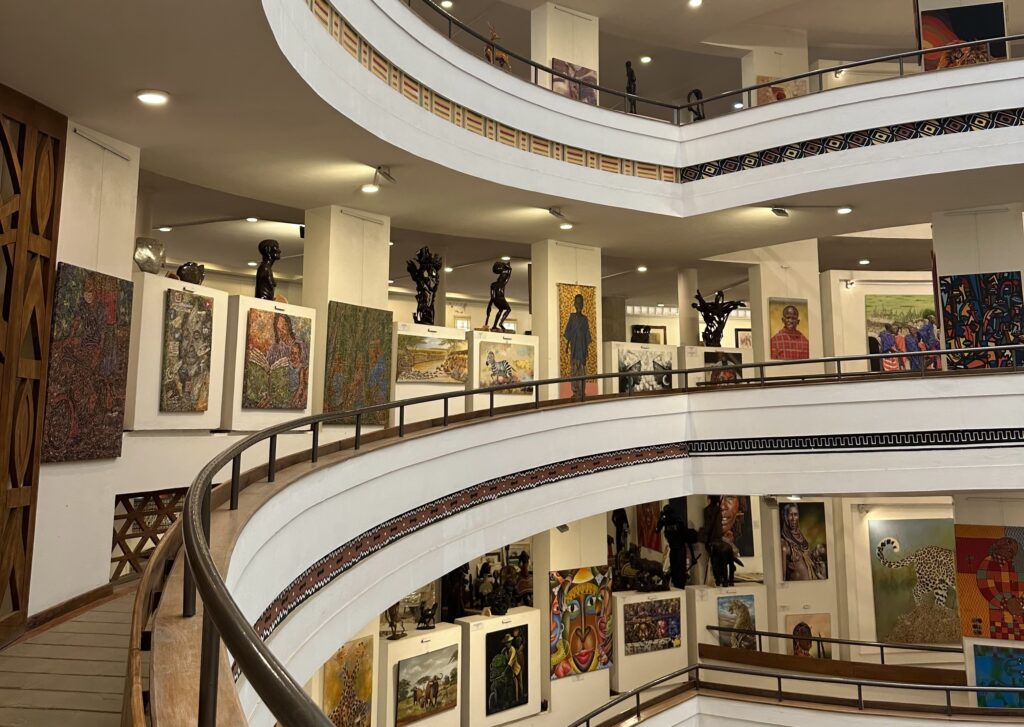
Curatorial notes, exhibition text, educational materials, and object photography already exist in most museums. The challenge is usually not absence. It is fragmentation. Records live in multiple systems. Images are inconsistently labeled. Documentation exists in formats that are difficult to reuse.Progress begins with organization, not replacement. Building on existing content is often more sustainable and less intimidating than it first appears.
The Difference Between a Database and an Experience
A database stores information. An experience helps someone understand it.
Both matter, but they serve different purposes. A well-structured database supports internal workflows and long-term preservation. A well-designed collection experience supports visitors, helping them explore, discover connections, and leave with a sense of what the institution holds and why it matters.
The goal for most public-facing digital collections is somewhere between the two: structured enough to be searchable and sustainable, designed well enough to invite exploration.This is also where digital storytelling becomes part of the work. When collections are organized around narrative and context, not just records, they become easier to discover and more meaningful to explore.
A Realistic Starting Point for Getting Museum Collections Online
Getting a collection online does not require a complete overhaul of existing systems.
A useful starting point is identifying one portion of the collection, such as a specific exhibition, a significant set of objects, or a theme with strong interpretive material already attached, and focusing there first.
Starting with a defined scope keeps the work manageable, produces something useful quickly, and builds a repeatable process that can expand over time. Strong digital foundations also position institutions for future work, including more advanced tools and broader discoverability, without requiring everything to be in place before making a start.
Frequently Asked Questions
What does it mean to put a museum collection online?
It means making object records, images, and interpretive content available in a structured, searchable format that visitors can access and explore beyond the physical space.
Do museums need to digitize everything before going online?
No. Starting with a defined portion of the collection, such as a priority theme, a recent exhibition, or a set of well-documented objects, is a more sustainable approach than waiting for full digitization.
How does an online collection support discoverability?
Structured, contextual records are easier for search engines to index and for visitors to navigate. This improves organic discoverability over time without requiring advanced technical expertise.
What is the difference between a collection database and a public-facing collection?
A database is designed for internal use and preservation. A public-facing collection is designed for exploration and understanding. The two can share underlying data but serve different audiences and purposes.
A Practical Next Step
A useful place to start is reviewing what already exists.
What object records are currently available? Where does interpretive content live? What does a visitor actually encounter when they find your collection online today?
That assessment often reveals more than expected, and clarifies where a manageable first step might be.