

Museums hold some of the most meaningful stories we have. But in a digital first world, those stories only reach people if they are visible, accessible, and easy to explore online.
Digital storytelling helps museums bridge the gap between what they preserve and how audiences discover and engage with that work today. It is not about marketing or trends. It is about access, relevance, and long term sustainability.
Visibility Is Now Part of the Museum Mission
Visibility has always mattered to museums, but the way it affects institutions today has changed.
Visitors plan trips online. Educators search for resources in advance. Researchers expect to find collections and context digitally before making contact. When stories, objects, and exhibitions are difficult to find online, an institution becomes easier to overlook, regardless of the quality of its collection.
Digital storytelling supports this shift by making museum content visible and legible in the places people already look. It allows institutions to extend their reach beyond physical walls while remaining rooted in their mission.
What Digital Storytelling Means for Museums
It Is About Interpretation, Not Promotion
Digital storytelling is often confused with marketing. In practice, it is much closer to interpretation.
It connects objects with context, narrative, and visual cues so audiences understand why something matters, not just what it is. This approach supports learning, research, and engagement without oversimplifying content or compromising curatorial integrity.
For museums, digital storytelling is a continuation of interpretive work, not a separate effort.
It Builds on Content Museums Already Have
Most museums already hold the foundations of strong digital stories:
- Object records
- Curatorial notes
- Exhibition text
- Educational material
- Photographs and documentation
Digital storytelling brings these pieces together into a coherent experience. It does not require perfection or completeness. Clarity and structure matter more than polish. Starting with what already exists makes digital work more sustainable and less intimidating.

Why Digital Storytelling Improves Online Visibility
Search engines and discovery tools prioritize content that is structured, contextual, and understandable.
When museum stories are presented clearly, collections become easier to index and easier for people to explore. Visitors are more likely to stay engaged, navigate related content, and return. Over time, this improves discoverability without requiring deep technical SEO expertise.
Digital storytelling supports search visibility by making meaning explicit. It helps both people and machines understand how objects, stories, and themes connect.
Staying Relevant Without Adding Complexity
Many museum teams hesitate to expand digital efforts because of limited staff, time, or technical support. These concerns are valid.
Effective digital storytelling works best when it fits existing workflows rather than introducing complexity. It can grow gradually, using familiar tools and existing content. Relevance does not depend on scale or speed. It depends on consistency and clarity.
When digital initiatives respect how museums actually operate, they are more likely to last.
Digital Exhibits as Extensions of the Gallery
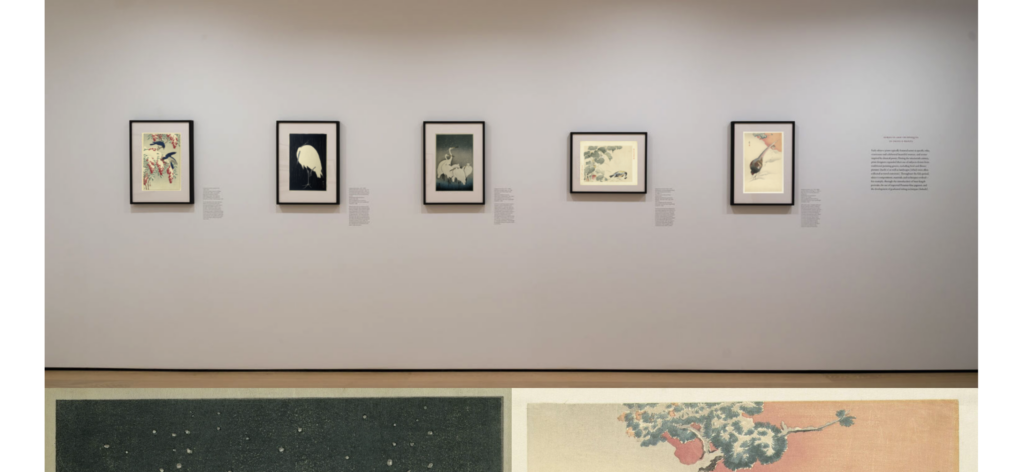
An effective digital exhibit should feel familiar to visitors, even if they have never visited the space in person.
Like a physical gallery, it should invite exploration and provide context. Visitors should be able to follow their curiosity, understand relationships between objects, and move through content at their own pace. Because digital visitors lack spatial cues, structure and narrative matter even more.
Well designed digital exhibits extend the gallery experience beyond the building. They support pre visit planning, post visit reflection, and access for audiences who may never visit in person. When done thoughtfully, they preserve depth while expanding reach.


The Long Term Impact on Sustainability
Visibility and sustainability are closely connected.
Museums that are easier to discover online are better positioned to attract visitors, support funding conversations, and build partnerships with educators and researchers. Digital storytelling strengthens these efforts by making institutional knowledge accessible and usable over time. Rather than a short term initiative, digital storytelling becomes part of how museums remain relevant across generations.
Frequently Asked Questions
What is digital storytelling in a museum context?
Digital storytelling is the practice of presenting collections online using narrative, images, and context. It helps audiences understand why objects matter, not just what they are.
Do museums with limited resources benefit from digital storytelling?
Yes. Digital storytelling works best when it builds on existing content and grows gradually. It supports access and clarity without requiring large teams or complex infrastructure.
How does digital storytelling support search visibility?
Clear stories create structured content that search systems can better understand. This improves discoverability while keeping the focus on meaning rather than keywords.
A Practical Next Step
A useful starting point for any institution is simply reviewing how its stories appear online today.
Are collections easy to explore?
Is context clearly explained?
Can someone unfamiliar with the institution understand why an object matters?
Taking stock of existing content is often the most effective first step toward better visibility and more meaningful digital engagement.