

Digital transformation for museums can feel overwhelming, particularly for small and mid-sized institutions with limited staff and competing priorities. Collections may need to become more accessible online, websites may require improvement, and new technologies continue to create opportunities and questions. At the same time, the people responsible for these initiatives are often managing collections, exhibitions, education, communications, and the day-to-day work of running the museum.
The challenge is not usually a lack of ideas or interest in digital progress. Museums often have a clear sense of what they would like to improve. The difficulty lies in deciding which opportunities deserve attention, understanding what the institution can realistically sustain, and developing a path that connects individual projects to broader goals.
Technology is an important part of this process, but it does not provide those answers on its own. A new platform can improve a specific workflow, and a new tool can create useful possibilities, but neither automatically determines whether the museum is addressing the right challenge at the right time.
Digital transformation becomes more manageable when museums have a clear way to evaluate priorities, learn from others, and turn decisions into practical action.
Knowing What to Prioritize Is Often the Hardest Part
Museums rarely face a single digital challenge at a time. A collection may need better documentation or public access, while the website needs updated content and clearer navigation. Staff may be interested in exploring artificial intelligence but still need to determine where it could provide meaningful value. An upcoming exhibition may create an opportunity for a digital experience, even as existing systems require attention and maintenance.
Each of these needs may be legitimate, but limited time and capacity make prioritization essential. When there is no clear process for evaluating opportunities, digital work can become reactive. A project may move forward because funding becomes available, a new technology attracts attention, or an immediate problem requires a quick solution. These projects can still be valuable, but they may not always contribute to a coherent long-term strategy.
A stronger approach begins by examining the museum’s current situation and asking which challenges have the greatest effect on its collections, audiences, and operations. This creates a basis for making decisions that extends beyond the appeal of any individual technology.
More Technology Creates More Decisions
The growing number of digital tools available to museums has created more opportunities, but it has also made decision-making more complex. Choosing between platforms, services, and approaches requires time and a clear understanding of what problem each option is intended to address.
A museum considering a new collections platform, for example, may first need to determine whether its main challenge involves internal data management, public access, website integration, or staff workflows. Similarly, a museum interested in AI may benefit from identifying a specific task or audience need before deciding whether a particular tool is useful.
Starting with the problem rather than the technology can help museums avoid adding systems that create more work without addressing a meaningful need.
Capacity Should Shape the Strategy
For small museums, the success of a digital initiative depends not only on whether it can be launched, but also on whether it can be maintained. A project that requires significant technical expertise or ongoing staff time may create challenges after its initial implementation if those resources are not available.
Considering capacity early allows museums to make more realistic decisions about scope, timing, and long-term responsibility. It can also reveal opportunities to improve existing resources before investing in entirely new systems.
Digital work does not always require the largest or most ambitious project. A well-maintained website, clearer collection information, or a more effective workflow may provide greater long-term value when those improvements align with the museum’s goals and available resources.
Museums Need More Than Another Tool
Technology can support important parts of museum work, including collection management, public access, content creation, research, and audience engagement. However, digital tools are most effective when they are introduced as part of a broader understanding of what the museum is trying to achieve.
The challenge is that museums are often asked to make decisions about technology without having dedicated time to step back and assess the larger picture. Teams may be focused on immediate responsibilities, leaving little opportunity to evaluate existing systems, identify gaps, or consider how separate digital projects relate to one another.
This is where guidance and structured discussion can become valuable. Before committing time and resources to a new initiative, museums may benefit from examining their current needs, considering different approaches, and understanding how a potential solution fits their collections, audiences, and capacity.
Technology Only Works Within the Right Strategy
The same technology can produce very different results depending on how and why it is used. A platform that works well for one museum may not address another institution’s most pressing needs. Likewise, a successful digital project cannot always be copied directly because museums differ in their collections, audiences, staffing, and institutional goals.
This is why evaluating technology requires more than comparing features or following industry trends. Museums need to understand the problem they are trying to solve and consider whether a particular approach can support that need over time.
This perspective shifts digital transformation away from a search for the newest solution and toward a more deliberate process of deciding where technology can provide genuine value.
Learning From Other Museums Can Strengthen the Process
Museums do not need to approach every digital challenge in isolation. While institutions have different collections and circumstances, many are working through similar questions about access, technology, staffing, and long-term digital strategy.
Sharing experiences with other museum professionals can provide perspectives that are difficult to develop within a single institution. One museum’s approach to improving collection access may offer useful ideas to another, while a discussion about an unsuccessful project can be equally valuable in helping others identify potential challenges before committing resources.
The purpose of collaboration is not to create a single model that every museum should follow. It is to create opportunities for comparison, discussion, and peer learning that can inform each institution’s own approach.
Shared Challenges Can Lead to Better Questions
Conversations with peers can help museums look beyond the immediate question of which tool or project to choose. They can encourage more useful discussions about why a challenge exists, what outcomes matter, and what constraints need to be considered.
For example, a museum considering how to improve digital access might learn that another institution faced similar issues but addressed them through changes to content, metadata, workflows, or website structure rather than through a major technology investment.
These perspectives do not provide a ready-made solution, but they can help museums explore a wider range of possibilities before deciding how to proceed.
Structure Helps Turn Discussion Into Action
Peer learning is most useful when discussion is connected to practical work. Museums need opportunities to reflect on challenges, but they also benefit from a structure that helps them revisit priorities, apply what they learn, and maintain momentum alongside their regular responsibilities.
Guidance and feedback can support this process by helping teams test assumptions and consider different approaches before committing significant resources. Regular opportunities to return to a challenge can also help museums refine their approach as they gain a clearer understanding of what is needed.
Rather than producing a fixed digital roadmap, this kind of process can help museums develop stronger habits for evaluating opportunities and responding to future challenges.
A Collaborative Approach to Digital Transformation
Museums enter digital transformation from different starting points. One institution may be focused on improving public access to its collections, while another may be rethinking its website, evaluating new technology, or looking for more effective ways to engage audiences online.
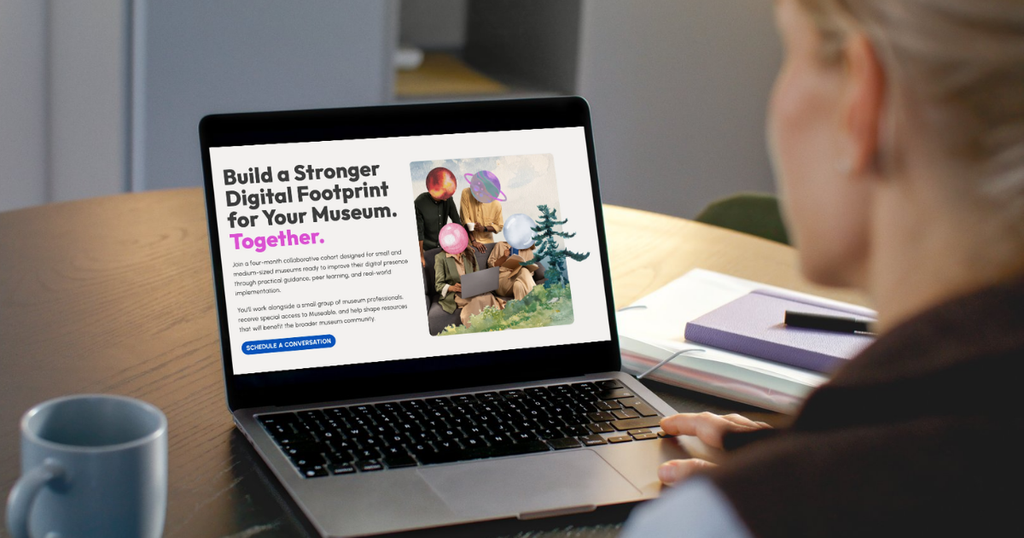
The Museable Cohort was created with that reality in mind. It brings together a small group of museums for a four-month program focused on practical digital progress, collaborative learning, and guided exploration of the challenges and opportunities that matter to each participating institution.
The program provides a shared environment for museums to discuss common challenges while applying what they learn to their own circumstances. Rather than beginning with a predetermined technology or identical roadmap, the focus is on helping participants examine their needs and explore practical ways to strengthen their digital work.
A Shared Framework Without a One-Size-Fits-All Strategy
Museums can benefit from working within a structured program without being expected to pursue identical outcomes. A shared framework can provide direction and support while allowing participants to focus on the challenges most relevant to their institution.
This approach recognizes that meaningful digital work depends on context. What works for a museum with a particular collection, audience, or staffing structure may not be appropriate elsewhere. The value of collaboration comes from exchanging perspectives while retaining the flexibility to apply those insights in ways that make sense locally.
Building Capacity Beyond a Single Project
Digital work rarely ends when one project is complete. Improving a website can raise new questions about content and discoverability. Making collections available online may lead to opportunities for interpretation, education, and audience engagement. Emerging technologies can also introduce new possibilities that require careful evaluation.
For that reason, long-term digital transformation depends on more than completing individual initiatives. Museums also benefit from developing the knowledge and confidence needed to assess future opportunities and make informed choices as their priorities evolve.
A Clearer Starting Point for Digital Transformation
Digital transformation for museums does not begin with a perfect plan or a complete understanding of every technology available. It begins with a realistic assessment of the museum’s current needs and an understanding of where focused effort can create meaningful value.
For some museums, that may mean improving access to collections. For others, it may involve strengthening website content, reviewing workflows, exploring new technologies, or developing a more connected digital strategy. The starting point will differ, but thoughtful prioritization and sustainable implementation remain important across institutions.
The Museable Cohort brings together small and mid-sized museums to work through these questions with practical guidance, collaborative learning, and a community of peers over four months.
Explore What Your Museum Could Do Next
If your museum is working through questions about collections, websites, digital access, technology, or audience engagement, the Museable Cohort provides a structured space to explore those challenges, learn alongside other museum professionals, and identify practical opportunities for your institution.